Fall Cleanup
What Fall Cleanup Involves and Why to Stay Ahead of It
TW Lawn Care • 7 min read
Short Answer: A thorough fall cleanup covers several tasks that together put your lawn and landscape to bed for winter: clearing leaves and debris from the lawn before they smother the grass, cutting back spent perennials and clearing out beds, cleaning debris from drainage areas and around the foundation, and giving the lawn a final mow at the right height. Timing matters as much as the tasks. Staying ahead of the leaves with regular clearing through the season protects the lawn far better than one big end-of-season cleanup, since a long-sitting layer of debris causes the smothering and disease that damage the grass. The goal is simply keeping the yard from being buried.
Once you understand that fall cleanup matters for the health of your lawn, the next questions are what it actually involves and when to do it. A good cleanup is more than just raking leaves, and the timing is as important as the tasks themselves. Here is a plain look at what a thorough fall cleanup covers and how to think about timing it, so you can keep your Midlothian lawn and landscape healthy through the season.
Clearing the Lawn
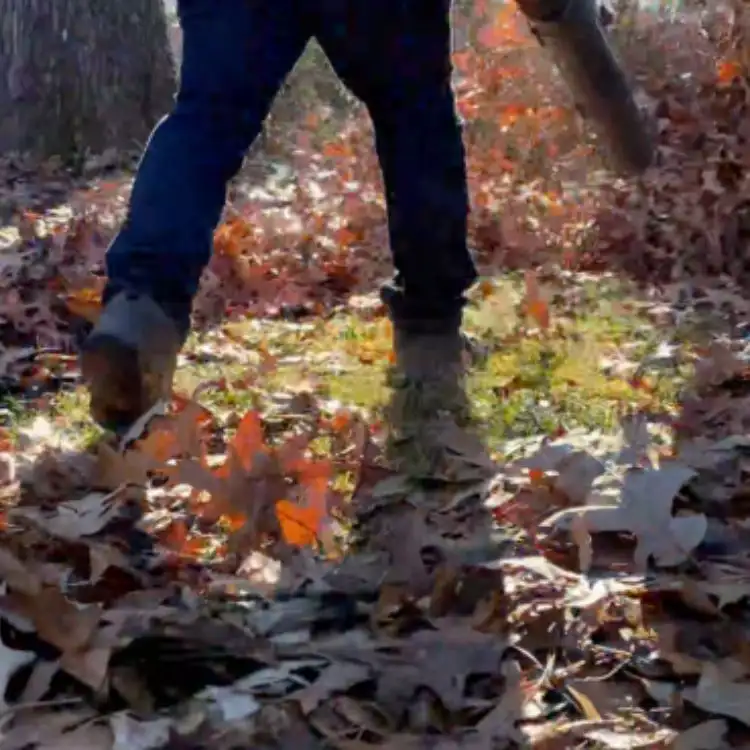
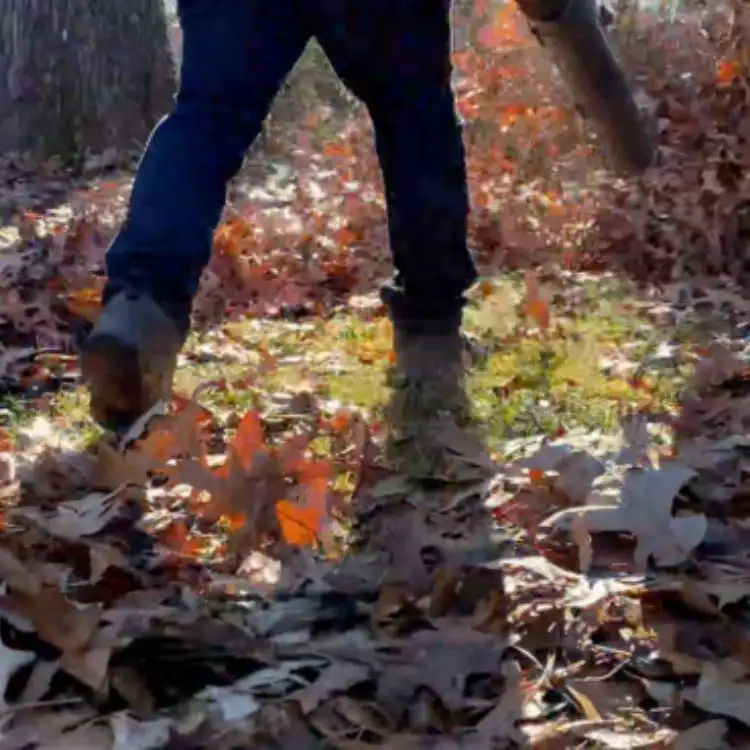
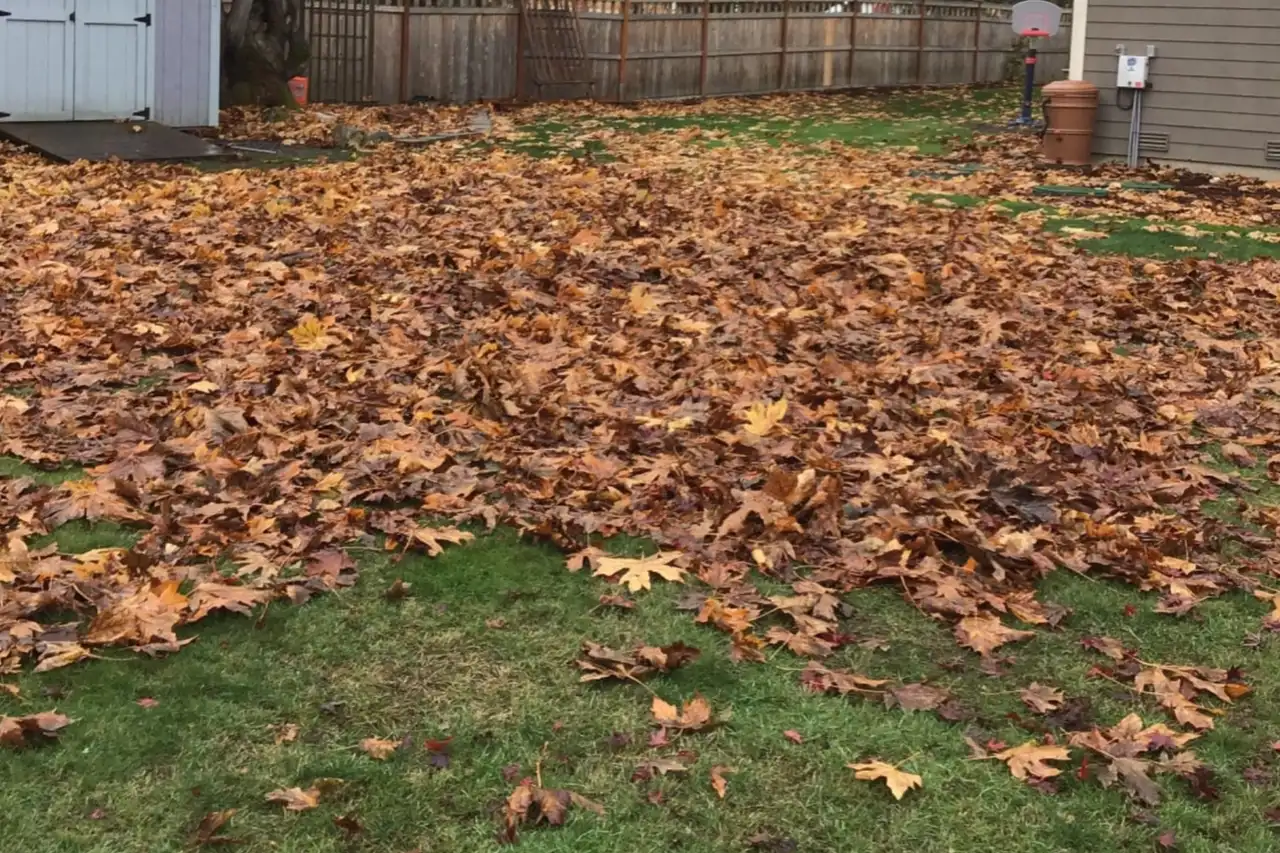
The core of fall cleanup is keeping the lawn clear of leaves and debris. As we have covered, a thick layer of leaves left on the grass blocks sunlight, traps moisture, and can smother the lawn over the fall and winter. So the first job is removing that material from the turf, whether by raking, blowing, or mowing it up, before it accumulates into a damaging layer.
How often this needs doing depends on your property and the trees around it, but the principle is to keep the lawn from being buried for long. A light scattering of leaves can sometimes be mulched back into the lawn by mowing over them, which returns organic matter to the soil, but once the leaves come down in volume they need to be removed rather than mulched, since too much material even chopped will smother the grass. Keeping the lawn clear is the foundation of the whole cleanup.
Cutting Back and Clearing the Beds
Fall cleanup extends into the landscape beds, not just the lawn. As perennials finish for the season and annuals fade, they need cutting back and clearing out. This keeps the beds looking neat and defined through the winter, and it removes the dead plant material where diseases and insects would otherwise shelter and overwinter, waiting to return in spring.
Clearing the beds of spent growth and fallen debris also makes the spring far easier, since you are not starting the season by digging out a winter's worth of collapsed, soggy material. It is one of those tasks that pays off invisibly: by cleaning the beds now, you reduce the disease and pest pressure your plants face next year and give the whole landscape a clean, cared-for look through the bare months.
Debris, Drainage, and the Details
A thorough cleanup handles the spots that are easy to overlook. Leaves and debris collect in drainage areas, against the foundation, and in corners of the yard, where they hold moisture and can cause problems as our rainy stretches arrive. Clearing those areas keeps water moving where it should and keeps damp debris from sitting against the house and beds.
These details matter more than they seem. Debris left in the wrong places is not just untidy, it traps moisture, invites pests, and can contribute to drainage issues over a wet winter. A cleanup that addresses the whole property, not just the open lawn, is what actually puts the yard in good shape for the season rather than leaving hidden problems tucked in the corners.
The Final Mow
Part of putting the lawn to bed is a final mow at the right height as the growing season ends. Cutting the lawn at an appropriate height going into dormancy helps it rest cleanly and reduces the chance of winter disease that can take hold in overly long, matted grass. It is the finishing touch that closes out the mowing season and sets the lawn up to overwinter well.
Timing the final mow with the end of active growth, and keeping the lawn clear of leaves as it happens, ensures the grass heads into winter at a good height and free of smothering debris. It is a small step, but it is part of a proper fall cleanup and it helps the lawn come through the cold months in better condition.
Why Timing Matters as Much as the Tasks
Here is the part homeowners most often get wrong: waiting. It is tempting to leave everything until the leaves have all fallen and then do one big cleanup, and we understand the appeal. But that approach means the grass spends weeks buried and smothered under accumulating debris, taking damage the whole time, before the cleanup ever happens. By the time you clear it all at once, some of the harm is already done.
Staying ahead of it is far better for the lawn. Clearing debris regularly through the season, so the grass is never buried for long, keeps the turf healthy and prevents the smothering and disease that a long-sitting layer causes. It also tends to be more manageable, since regular clearing handles the debris in smaller amounts rather than one overwhelming pile. The yards that come through fall healthiest are the ones kept clear all season, not cleaned up once at the end.
Handling It Yourself Versus Bringing In Help
Plenty of homeowners handle their own fall cleanup, and if you have the time, it is a manageable, if repetitive, seasonal job. The calculation changes on larger or more heavily treed properties, and for homeowners who would simply rather spend their fall weekends doing something other than raking and hauling debris. A thorough cleanup, done consistently through the season, is a real commitment of time.
That is where bringing in help makes sense for a lot of people. Rather than staying on top of the leaves and beds yourself week after week, you can have the whole cleanup handled consistently, which is both easier on you and better for the lawn. Because we handle lawn care and cleanup together, we can keep the yard clear while also making sure the lawn is fed and mowed correctly heading into winter, so the whole fall program pulls in the same direction. However you handle it, the goal is the same: do not let the debris sit long enough to smother the lawn.
Cleanup and the Rest of Fall Care
Fall cleanup works best when it is connected to the rest of your fall lawn care rather than treated as a separate chore. Keeping the lawn clear of leaves lets a fall feeding actually reach the grass, supports the final mowings of the season, and sets the lawn up to rest cleanly through winter. The cleanup, the feeding, and the final mow are really one coordinated effort to put the lawn to bed in good shape.
That is why handling them together makes sense. A lawn that is fed, mowed, and kept clear of debris heading into winter comes through the cold months in genuinely good condition and greets spring ready to grow. Treating cleanup as part of the whole fall program, rather than an afterthought once everything else is done, is what ties the season's work together and delivers the healthiest possible lawn next year.
What to Do Next
Take a look at how much your property drops and how quickly it accumulates. Plan on clearing the lawn and beds regularly through the season rather than one big cleanup, address the debris in drainage areas and around the house, and finish with a final mow at the right height. Keeping the yard clear all season is what protects it heading into winter.
TW Lawn Care serves Midlothian and the surrounding Ellis County area. If you would rather not spend your fall weekends on cleanup, we are here for that. Call us at 972-757-0926 or visit twlawncareservices.com, and we will keep your lawn and landscape clean and healthy through the season.