Chinch Bugs vs Heat Stress in Midlothian: Telling Them Apart and Treating the Right Thing
Chinch Bugs vs. Heat Stress: How to Tell the Difference in Your Lawn
TW Lawn Care • June 2026 • Midlothian, TX
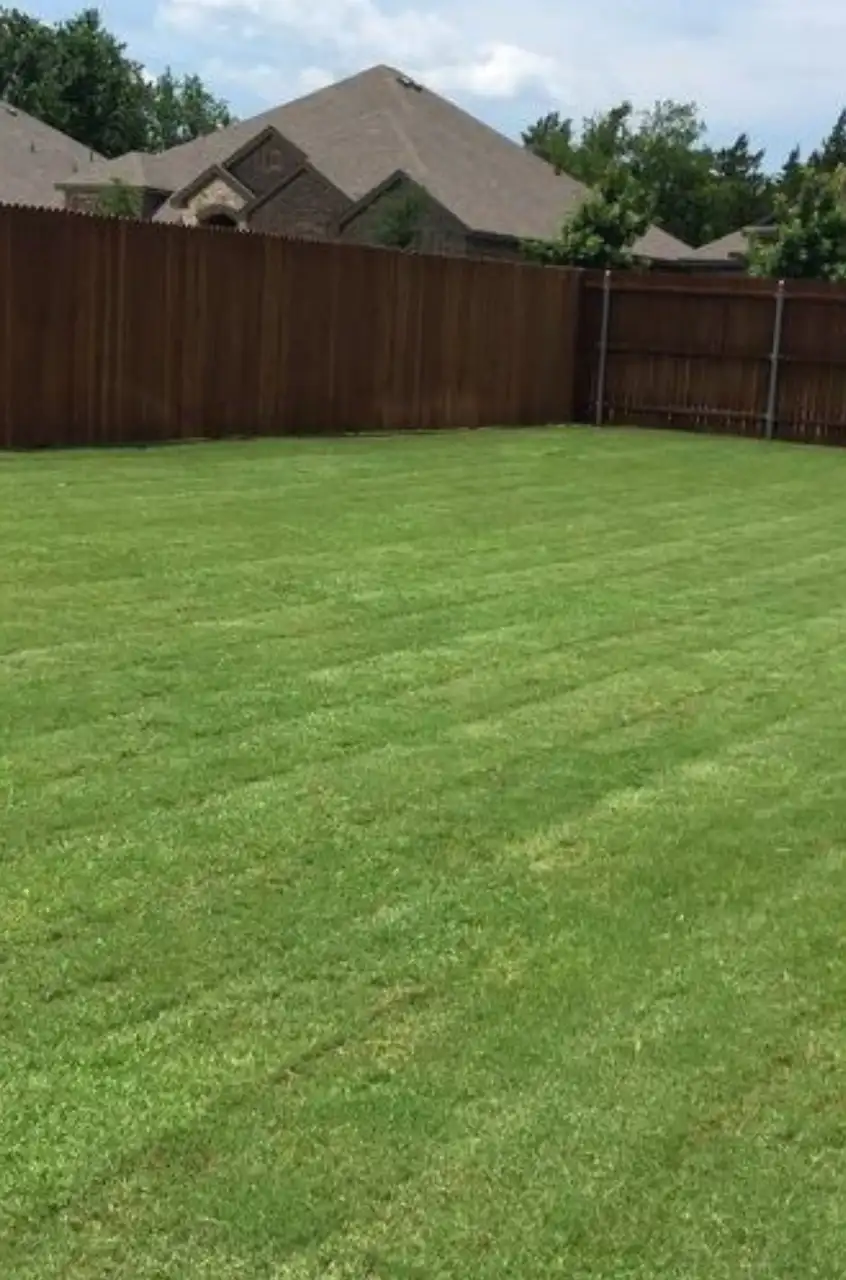
Chinch bug damage and heat stress look similar at first glance — and the wrong treatment for either makes the situation worse. Heat stress browns evenly across exposed areas and recovers within 24 to 48 hours of deep watering. Chinch bug damage appears in irregular patches in the sunniest parts of the lawn and gets worse no matter how much you water. The soap flush test resolves the question in 5 minutes.
Why These Two Get Confused
If your Midlothian or Ellis County lawn has developed brown patches and you are trying to figure out whether to water more or treat for pests, you are not alone. The diagnostic confusion between chinch bugs and heat stress costs homeowners weeks of lost recovery time every summer.
Both produce yellowing then browning of grass in irregular patterns. Both tend to show up first in the hottest, sunniest parts of the yard. Both can spread over time. At a quick visual glance, they look similar enough that homeowners often pick a treatment based on what they have heard or what worked for someone else. The actual causes are completely different. Heat stress is a physical response to moisture deficit and temperature. Chinch bugs are insects actively killing grass tissue. The treatments are completely different too.
How to Tell Each Apart
Signs of Heat Stress
• Even browning across exposed areas — not patchy or irregular • Worst in sun-exposed areas; shaded portions less affected • Footprints stay visible for hours after walking on the lawn • Blue-gray cast to the blades (early drought signal) • Blade margins fold inward to conserve moisture • Recovery within 24 to 48 hours of deep watering
Signs of Chinch Bugs
• Irregular patches in the sunniest, hottest spots — near sidewalks, driveways, south-facing slopes • Patches expand outward over days and weeks • Grass at the boundary between damaged and healthy looks wilted even right after watering • Stems at the soil line look chewed or killed at the base • Damage gets worse despite watering — adding water does not produce recovery
The Soap Flush Test (5 Minutes)
This is the single most useful diagnostic tool.
Step 1: Mix
Mix 2 tablespoons of dish soap in a gallon of water.
Step 2: Pour
Pour slowly over a one-foot square at the boundary between healthy green grass and yellowing or browning area.
Step 3: Wait & Look
Wait 2 to 5 minutes. If chinch bugs are present, you will see small black adult bugs (~1/16 inch) or red nymphs with a white band. Counts of 10 or more mean active infestation.
The Recovery Test
If the soap flush is inconclusive, the recovery test resolves the question. Apply deep watering (about an inch over 60 to 90 minutes) to one of the brown patches. Wait 24 to 48 hours.
Patch improves or greens up
It was heat stress. Adjust your watering to deep, infrequent cycles to prevent recurrence.
No improvement or patch expands
It is not heat stress. Re-test for chinch bugs or investigate other causes.
Treatment Approaches
Treating Heat Stress
• Switch to twice-weekly deep watering cycles in early morning (4–8 a.m.), about half an inch per cycle • Raise mowing height to 2.5–3 inches for Bermuda in summer — taller cuts shade soil and reduce evaporation • Do not add fertilizer to stressed grass; heavy nitrogen makes things worse • Recovery typically visible within 2 to 4 weeks of consistent proper watering
Treating Chinch Bugs
• Apply a product labeled for chinch bug control on warm-season turf • Water lightly before application to break surface tension; apply in early morning or evening • Water in lightly after application to drive product into the soil • One application typically stops spread within 5–7 days; follow up 21–28 days later for the next generation • Recovery of damaged areas takes 4–8 weeks as surrounding healthy grass fills in
The Cost of Treating the Wrong Thing
Insecticide on heat stress
$80–$150 wasted. Lawn continues to decline. 2–4 weeks of recovery time lost.
Extra watering on chinch bugs
Water bill increases. Shallow roots develop. Damage expands. Often produces worse outcomes than no intervention.
Applying both to be safe
$150–$300 spent. May help one issue but wastes money on the other. Diagnostic clarity in 5 minutes costs nothing.
Prevention & Long-Term Management
Chinch Bug Prevention
Preventive treatment in late May or early June dramatically reduces damage for lawns with chinch bug history. Cost is $80–$130 for a single preventive application — compare to $500–$5,000 in damage from a major outbreak. Maintain Bermuda density through proper mowing, watering, and fertility. Manage thatch through periodic aeration. Monitor weekly through the active season.
Heat Stress Prevention
Prevention is the watering schedule we discussed — twice-weekly deep cycles in early morning. Free, takes minutes to set up, and prevents the issue entirely for most lawns with a history of heat stress.
What If Both Are Present?
Lawns can have both chinch bug damage AND heat stress simultaneously — more common than either alone in severely stressed lawns. Treat the chinch bugs first with targeted insecticide and simultaneously fix the watering schedule. Combined treatment usually produces faster recovery than addressing one at a time.
What Recovery Actually Looks Like
For lawns recovering from confirmed chinch bug damage, the realistic timeline:
Week 1
Treatment stops the spread. Surrounding healthy grass holds steady.
Weeks 2–3
Brown areas remain visible but stop expanding.
Weeks 4–6
Surrounding Bermuda runners begin filling in damaged areas.
Weeks 6–10
Most light damage fully recovers. Severe damage may need sodding or plugging in fall.
Frequently Asked Questions
How quickly can chinch bug damage develop?
Days to weeks. A population can chew through several thousand square feet of St. Augustine in 3 to 4 weeks during summer.
What grass is most vulnerable?
St. Augustine is most susceptible. Bermuda is more resistant but not immune. Zoysia is moderately susceptible.
Can I see chinch bugs without the soap test?
Sometimes, if you part the grass at the boundary of a damaged area. They move quickly and are small enough to miss. The soap flush test is more reliable.
Get Professional Diagnosis & Treatment
If you have unexplained brown patches and you are not sure whether they are chinch bugs or heat stress, do the soap flush test today and the recovery test this week. For diagnostic situations that remain unclear, or for lawns with multiple potential causes happening simultaneously, professional diagnosis usually saves money compared to continued guessing.
We serve Midlothian, Waxahachie, Red Oak, Cedar Hill, and surrounding Ellis County communities.