Pre-Fall Aeration Planning for North Texas Bermuda Lawns: Why July Decisions Matter in September
TW Lawn Care • July 2026 • Midlothian, TX
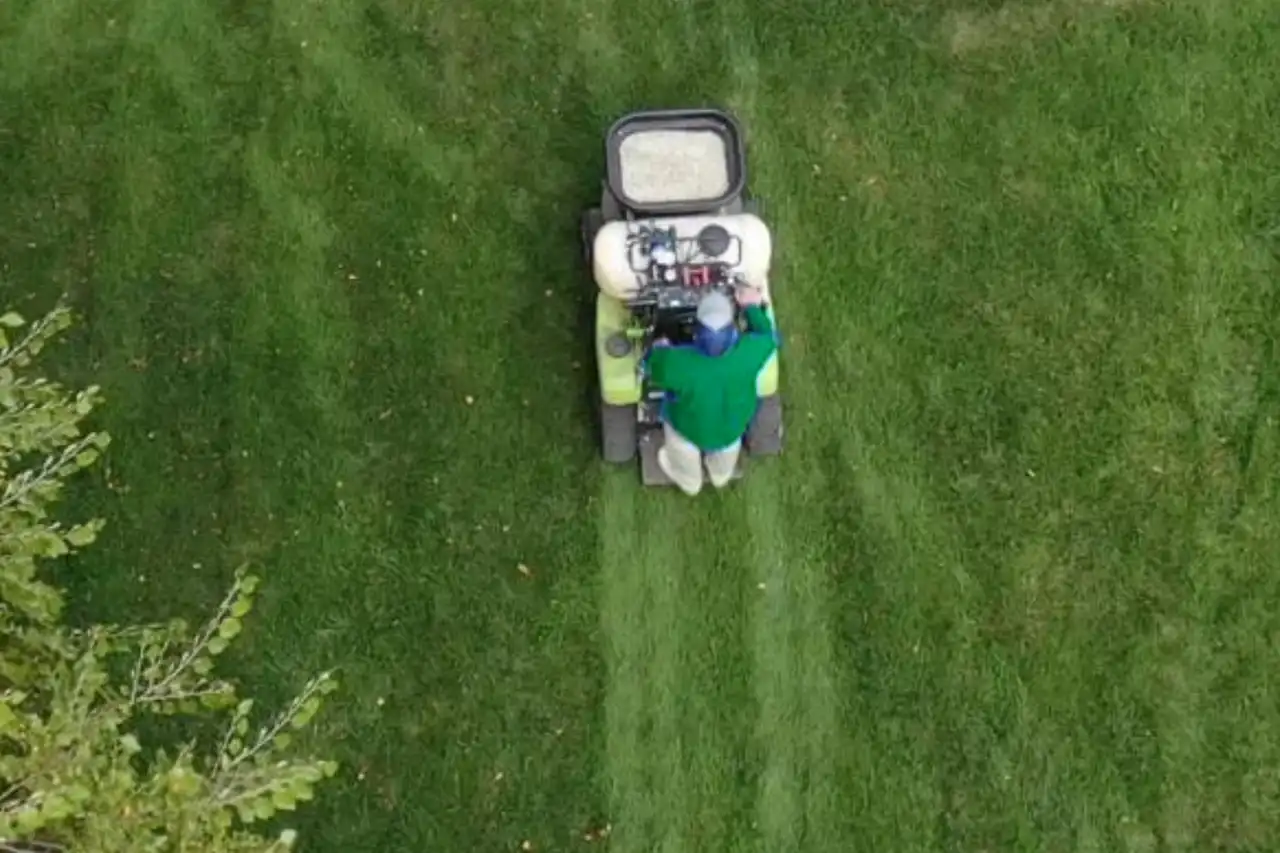
Short Answer: Fall aeration is the single highest-leverage service we provide on Ellis County Bermuda lawns, and the decisions that determine whether it pays off get made in July, not September. The right window in Midlothian is mid September through early October, when soil temperatures are still warm enough for active recovery and the lawn has 30 days to heal before the first frost. Booking that window in July avoids scrambling. The July walk we do also identifies which lawns are candidates, which need a sand topdressing in tandem, and which need a deeper intervention. Properties booked in July outperform properties scrambling for a slot in September.
The conversation we want to have with every Midlothian Bermuda homeowner this month is not about aeration mechanics. It is about whether your lawn is a candidate for it, and what the September service should include if it is. The mechanics matter, but the decision about whether to do it and what to bundle with it determines whether you spend $300 to $500 on a service that meaningfully changes your lawn or one that disappears into the same problems by next May.
This post walks the July audit we do on every property we are recommending fall aeration for. The goal is to give Ellis County homeowners enough to assess their own lawns and to make an informed booking decision while the schedule still has space.
Why Bermuda Aerates in Fall, Not Spring
Bermuda is a warm-season grass with peak growth between June and September. Aeration creates wounds in the soil and on the rhizome network. Wounds heal when the grass is actively growing. Aerating in spring, when soil is still cool, slows green-up and gives weeds an open window to germinate in the open core holes.
The right window in Ellis County is mid September through the first week of October. Soil temperatures are still in the upper 70s. Daytime air temperatures drop into the 80s. The lawn has 30 to 45 days of active recovery before the first frost shuts down growth. By the time spring 2027 arrives, the cores have filled in, the soil structure is restored, and the lawn comes out of dormancy stronger than the year before.
Outside that window, aeration either stresses an actively growing lawn during the hottest stretch (July or August), or it cuts the recovery time too short (late October and November). Neither produces the same payoff.
The July Audit: What We Look At
Compaction Assessment
We push a screwdriver into eight to ten locations around the property and note the depth before resistance. Healthy uncompacted Ellis County clay accepts the screwdriver to six inches with steady pressure. Compaction shows up as resistance at two to three inches. A lawn with three or more failed compaction spots is a strong aeration candidate. A lawn with one or two is borderline and might benefit more from targeted topdressing.
Thatch Layer Measurement
Pull a small plug from the lawn with a soil knife or a bulb planter and look at the cross section. Thatch is the spongy brown layer of organic material sitting between the green canopy and the mineral soil. A quarter inch is normal and healthy. More than half an inch starts blocking water and nutrient infiltration. More than an inch is a treatment-level problem that benefits dramatically from core aeration plus topdressing.
Drainage Test
During or after a long irrigation cycle, watch for surface puddling that persists more than 30 minutes. Persistent puddles indicate that water is not moving into the soil profile. The cause is usually a compaction layer two to four inches down, exactly the depth a core aerator addresses.
Density Check
Walk the lawn and look at the canopy density from above. A healthy Bermuda lawn in July has a tight canopy you cannot easily see soil through. Thinning areas, especially if they expand year to year, often have a compaction or thatch root cause that aeration corrects.
Irrigation Coverage Review
We run each zone and observe coverage. Lawns with major coverage gaps are not aeration candidates until the irrigation is corrected, because the recovery from aeration depends on adequate water in the first three to four weeks after the service.
What an Aeration Service Actually Does
Core aeration uses hollow tines to pull plugs of soil and thatch out of the lawn, leaving holes about three quarters of an inch in diameter and three inches deep, typically spaced six to eight inches apart. We pull anywhere from 6 to 10 cores per square foot on a standard service.
The plugs are left on the surface and break down into the canopy within a week or two as they dry and decompose. The holes themselves do four things at once. They allow water to penetrate to root depth instead of running off. They let oxygen reach roots and microbes in the soil. They give compacted clay a chance to expand into the open spaces and rebuild pore structure. And they create direct contact between any topdressing material and the root zone below the canopy.
The lawn looks slightly rougher for two weeks after aeration. By week four, the canopy has knitted over the holes. By week six, the visible evidence is mostly gone. The benefits, however, last through the following growing season.
What to Bundle With Aeration
Sand Topdressing
For clay-heavy Ellis County soils, a quarter inch to half inch of clean masonry sand brushed into the aerated lawn restores pore space, smooths the surface, and reduces compaction recurrence. Topdressing cost adds about 50 to 100 percent to the aeration price but doubles the long-term benefit. We recommend it on most Midlothian properties with persistent compaction issues.
Compost Topdressing
An alternative or supplement to sand. A quarter inch of fine compost adds organic matter, beneficial microbes, and slow-release nutrients to the root zone. Best for lawns with thin topsoil or chronic nutrient issues.
Fall Fertilization
A balanced potassium-heavy fertilizer applied immediately after aeration boosts root development heading into winter and improves spring green-up. The aeration holes deliver the nutrients directly to the root zone.
Pre-Emergent for Winter Weeds
Aeration is the right time to apply a pre-emergent for poa annua, henbit, and rescue grass, three of the most common winter weeds in Ellis County. The treatment goes down with a slight delay (about 10 to 14 days after aeration) so it does not interfere with crown healing.
Cost Expectations
Core aeration on a typical Midlothian residential lawn runs $225 to $475 depending on lot size and access. Adding sand topdressing brings the total to $475 to $900. Compost topdressing adds $200 to $400. Fall fertilization is typically $80 to $150 layered on the same service visit.
The total fall renovation package for a quarter-acre lawn ends up in the $600 to $900 range for most homeowners. The payoff is a lawn that comes out of dormancy in 2027 noticeably stronger, with better drought tolerance, better irrigation efficiency, and reduced summer stress that cuts into curative service costs the following July.
Why July Booking Beats September Scrambling
Three reasons. First, the fall window is narrow. We schedule services from mid September to early October, which is roughly three weeks of working days. We can do somewhere between 80 and 120 properties in that window. By September 1, most of those slots are gone. Booking in July gets you a preferred date.
Second, July audits identify issues that need to be fixed before aeration to make the service worthwhile. Irrigation problems, severe thatch, take-all root rot recovery. Two months of lead time lets us address those issues so the September aeration arrives on a lawn ready to receive it.
Third, July booking locks the price. We do not raise fall service prices on customers who booked in July, even when material costs go up in late summer.
Properties That Should Not Aerate This Fall
Newly sodded lawns under one year old. The root system needs another season to mature before aeration provides benefit.
Lawns with active take-all root rot. Aerating wounds expose the disease to more healthy tissue. We treat the disease first, aerate the following year.
Lawns going into a renovation. If the homeowner is planning to remove and replace the lawn within the next 18 months, aeration is not the right investment.
Lawns where the budget is better spent on irrigation upgrades. A property with severe coverage gaps gets a much bigger return from fixing the irrigation than from aerating before the underlying water delivery is solved.
Frequently Asked Questions
How often should Ellis County Bermuda be aerated?
Most lawns benefit from aeration every two to three years. High-traffic properties, heavy clay yards, or lawns showing thatch buildup may need annual aeration. We assess at each July audit.
Can I aerate myself with a rental machine?
You can. A few considerations. Rental machines are heavy and difficult to maneuver. Solid spike aerators (the cheaper option) do not produce the same benefit as hollow tine core aerators. Most homeowners who rent aerators come back to professional service after one season because the time and physical effort exceed the cost difference.
Will aeration damage my sprinkler heads or invisible fence?
We mark and avoid both before aerating. The homeowner provides the irrigation layout and any underground utility or fence locations. We refund any damaged head we cause.
Should I water differently after aeration?
For the first 10 to 14 days, water slightly more frequently to keep the open cores moist while crowns heal. After that, return to the standard summer schedule of deep, infrequent cycles.
What does the lawn look like the day after?
Small plugs scattered across the canopy and visible holes every six to eight inches. Within seven to ten days the plugs dry and break down. Within three to four weeks the visible evidence is mostly gone.
What to Do Next
Walk your lawn this week with the screwdriver test and the thatch check. If two or more areas fail the compaction test or the thatch layer is over half an inch, you are a candidate for fall aeration. The decision to book in July versus September makes the difference between a guaranteed slot and a maybe.
To schedule a July property audit and lock a September aeration date, call us at 972-757-0926 or visit twlawncareservices.com. We serve Midlothian, Waxahachie, Red Oak, Cedar Hill, and the rest of Ellis County. Fall aeration is the kind of service where the planning conversation is as important as the service itself.