Tree and Shrub Care in Ellis County Summer: 6 Things Homeowners Forget Until It's Too Late
6 Tree & Shrub Care Items Ellis County Homeowners Overlook Every Summer
TW Lawn Care • June 2026 • Midlothian, TX
Six overlooked items — deep watering, bagworm treatment, scale monitoring, stress signs, dead branch removal, and mulch refresh — each costs $100–$400 to address proactively. Each costs thousands after damage occurs. Mature trees typically represent more value than your lawn.
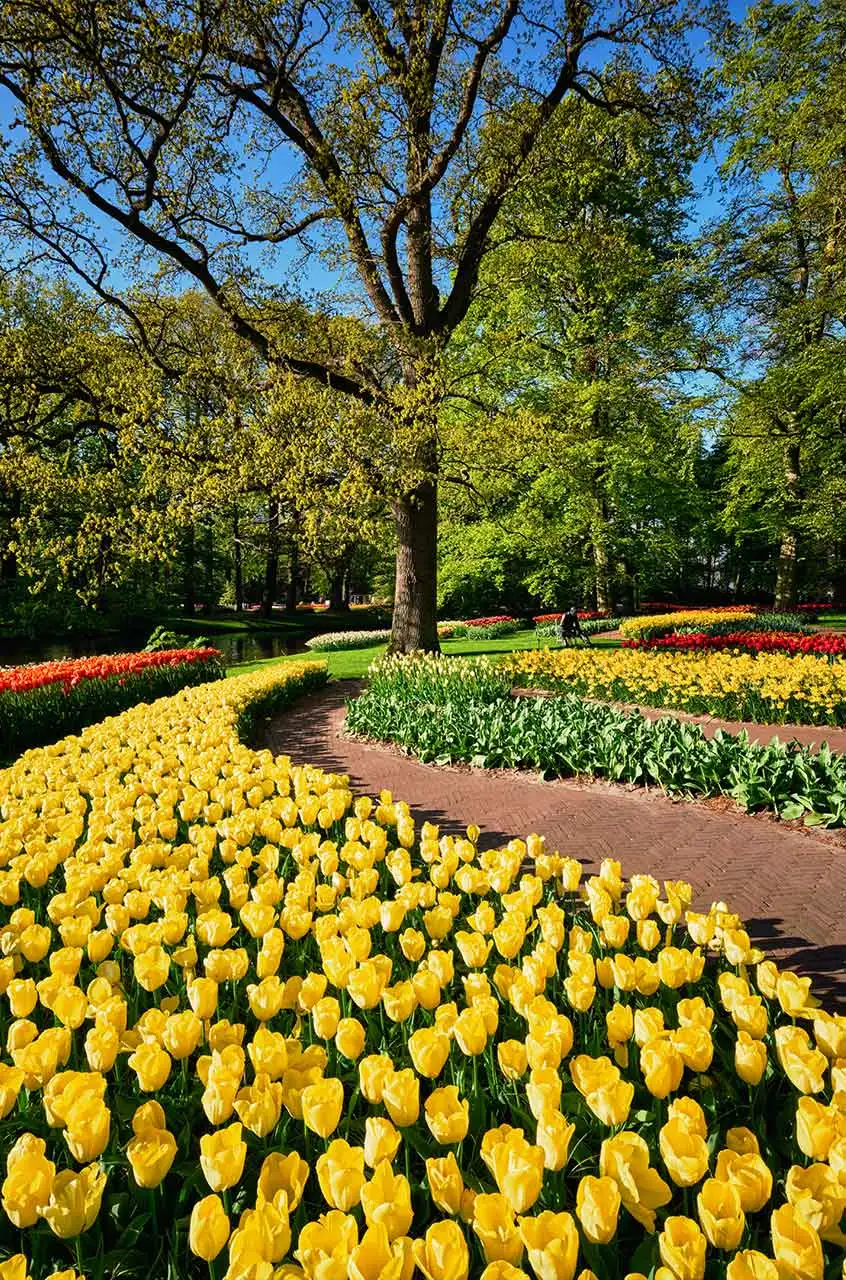
Homeowners spend significant time worrying about the lawn during summer while mature trees worth tens of thousands of dollars quietly slip into stress nobody notices until canopy thinning shows up two seasons later. Here are the six items that get overlooked every summer — and what catching them in June actually prevents.
The Six Overlooked Items
Item 1: Deep Tree Watering
A 10-inch diameter live oak needs about 100 gallons in a deep slow soaking every 7–14 days during North Texas summer. Lawn sprinklers running on schedule barely wet the surface and never reach deep feeder roots. Fix: a soaker hose at the dripline, run 60–90 minutes once a week. Total weekly time per tree: about 1 minute of setup. Mature trees worth $5,000–$30,000 each suffer for lack of water that costs almost nothing to provide.
Item 2: Bagworm Treatment in June
Bagworms emerge in late May and early June and immediately begin feeding on cedar, juniper, arborvitae, and spruce. The treatment window is the first 4–6 weeks of larval activity — June applications are ideal. Cost: $100–$300. Untreated infestations can defoliate and kill mature ornamental evergreens. Replacement of a mature cedar or juniper costs $1,500–$5,000 plus 10–20 years of waiting.
Item 3: Scale Insect Monitoring
Scale insects attack hollies, magnolias, camellias, and many other ornamentals. Walk every major shrub once in June. Check twigs and stem undersides for small bumps. Look for sticky residue on lower leaves. Treatment is most effective during the crawler stage in May and June. Cost of treatment: $100–$300. Cost of letting scale damage compound: $500–$2,000 per shrub replaced.
Item 4: Mature Tree Stress Signs
Trees show stress before visible canopy damage. Watch for leaves curling inward midday, premature leaf drop, yellow or brown leaf margins, smaller leaf size than prior years, bark splits, or early branch dieback. Walk every mature tree in June and again in mid-July. Trees recovering from early-stage stress respond well to intervention. Trees with advanced symptoms often cannot be saved.
Item 5: Dead Branch Removal Before Storms
North Texas summer storms drop dead or weakened branches with significant force — onto vehicles, homes, fences, or people. Branches with no leaves while the rest of the tree is leafed out are dead. Bark sloughing off means dead or dying. Typical dead limb removal: $200–$800. Storm damage repair routinely runs $2,000–$20,000.
Item 6: Tree Mulch Refresh
Mulch insulates roots from heat, retains moisture, and reduces competition from grass. Maintain 2–3 inches in a ring from about a foot outside the trunk to the dripline. Do not pile mulch against the trunk. Refresh every 2–3 years — June is ideal before the worst summer heat. Cost: $4–$8 per square yard installed.
The Cost Comparison Is Clear
Proactive Care
$400–$1,500 per year covers all six items for a typical Ellis County property with several mature trees and ornamental shrubs.
Reactive Treatments
$1,500–$5,000 for significant interventions after damage develops. Often requires repeated visits as problems compound.
Replacement Cost
$5,000–$50,000+ in lost mature trees and shrubs, plus decades of waiting for replacements to reach the size of what was lost.
What a Property Walk Identifies
A 30 to 45 minute walk by a knowledgeable arborist or landscape professional surfaces nearly all of the issues discussed: bagworm activity, scale infestations, stress signs on mature trees, dead branches, mulch needs, and watering setup. The walk costs $75–$200 and produces a written assessment with priorities. For property owners with significant tree value — which describes almost any home with mature shade trees — the annual walk is one of the highest-leverage maintenance investments available.
Setting Up Tree Care Coordination
For homeowners working with both a lawn service and a tree care provider, coordination produces better outcomes than parallel operations. The lawn service can avoid trunk damage during mowing. The tree provider can flag issues during routine visits. Both can coordinate around treatment windows to avoid conflicts. We are happy to coordinate with whoever handles your tree work.
Frequently Asked Questions
Can I do the tree watering myself?
Absolutely. Soaker hose setup is straightforward. The investment is under $50 in equipment. Total weekly time per tree is about a minute of setup.
What if I have inherited trees with existing damage?
Walk-through evaluation determines what is salvageable. Some damage is recoverable with intervention; some is not. Early assessment guides realistic decisions.
How do I find a qualified arborist?
ISA certification is the standard professional credential. Local references from neighbors with quality landscapes are also useful indicators.
What about smaller ornamentals?
Same principles, smaller scale. Quick walks identify issues. Targeted treatment when needed. Proactive care produces dramatically better outcomes than reactive intervention.
The Window for Several Treatments Is Closing
If you have not done a tree and shrub walk this June, schedule one this week. We serve Midlothian, Waxahachie, Red Oak, Cedar Hill, and surrounding communities.