Lawn Care
Fall Pre-Emergent Timing for Ellis County Lawns
TW Lawn Care • September 2026 • Midlothian, TX • 7 min read
Short Answer: Fall pre-emergent needs to go down when soil temperature at two inches settles near 70 degrees and is still falling, which around Midlothian usually lands between the third week of September and mid October. That application is what stops poa annua, henbit, chickweed, and rescuegrass from germinating under your dormant Bermuda all winter. Miss the window and those seeds have already sprouted, leaving only post emergent control on visible weeds at higher cost and slower results. The one thing that ruins it is applying pre-emergent over an area you have just seeded.
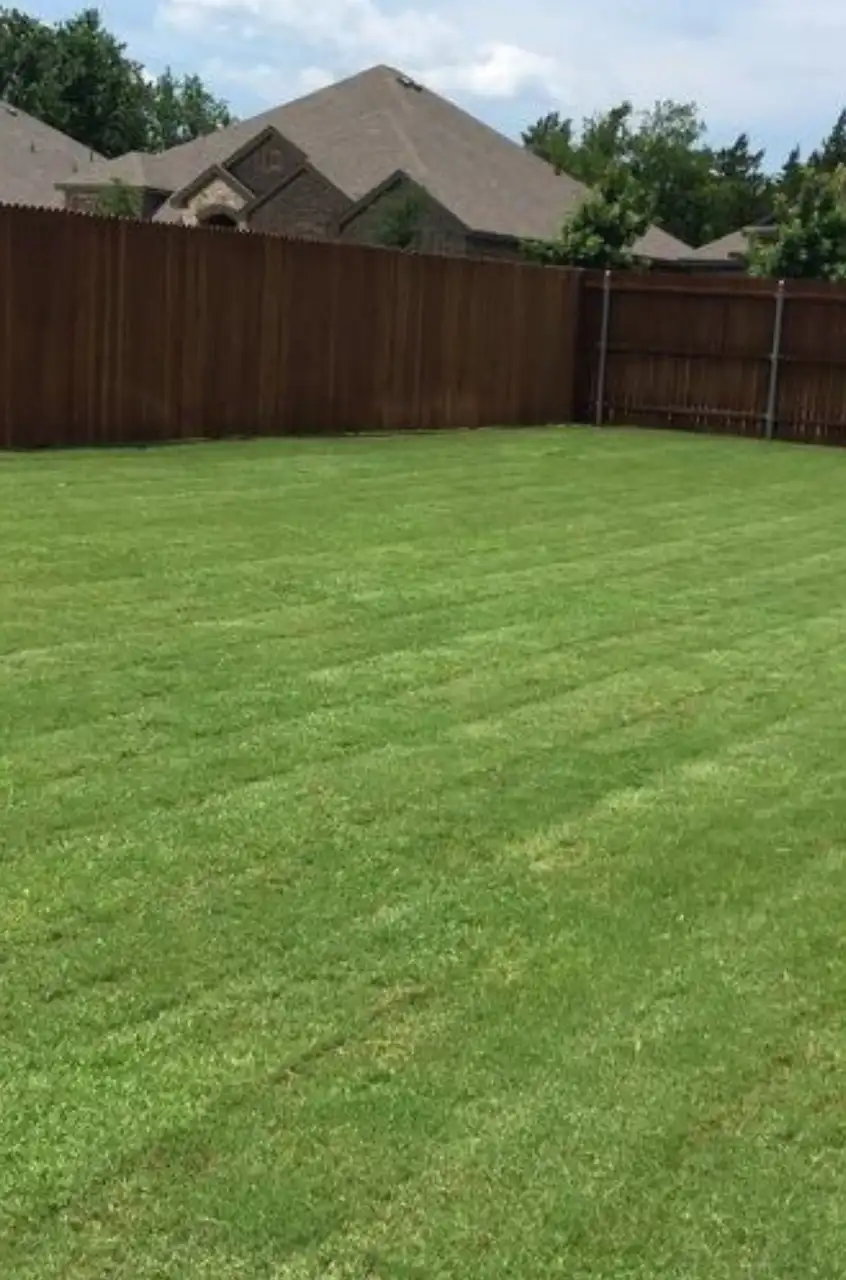
Your lawn is probably looking better than it did in August. The heat has broken, the Bermuda has recovered, and thinking about weeds feels early. That is precisely the problem.
The weeds that will make your yard look neglected in February and March are germinating over the next few weeks. By the time you can see them, the cheapest and most effective moment has already passed. Most homeowners we talk to around Ellis County have never been told that weed control here is as much a fall job as a spring one.
What a Pre-Emergent Actually Does
It does not kill weeds, which is worth saying plainly because the name suggests otherwise.
A pre-emergent creates a thin chemical barrier in the top layer of soil. When a weed seed germinates and pushes its first root through that layer, the root cannot develop and the seedling dies before it breaks the surface. You never see the weed, which is a strange thing to pay for and exactly the point.
Two consequences follow. The barrier has to be in place before germination rather than after. And it needs to stay intact, which is why we water it in and why aggressive raking or dethatching afterward undermines it. Breaking the soil surface breaks the barrier.
Soil Temperature, Not the Calendar
The date is a rough guide. Soil temperature is the trigger.
Winter annual weed seeds in North Texas begin germinating when soil at about two inches falls into the low 70s and keeps declining. Air temperature here swings enormously day to day; soil is slower and steadier, which makes it far more reliable.
Most years that threshold arrives in the back half of September, though a hot dry stretch pushes it later and an early cool front with rain pulls it earlier. This is why we watch the ground rather than putting a fixed date on the calendar for every property.
A soil thermometer costs very little if you want to follow along. Push it a couple of inches into open turf, away from shade and pavement, and check across several late mornings. You are watching for a downward trend, not a single reading.
The Weeds This Stops
Knowing the names helps, because these are the specific plants that make a dormant North Texas lawn look worse than it should.
Poa annua, or annual bluegrass, is the light green clumpy grass that grows faster than everything around it and seeds prolifically even when mowed short. Henbit is the low square stemmed plant with small purple flowers that turns whole neighborhoods purple in early spring, and deadnettle is its close relative.
Chickweed forms dense low mats that smother thin turf. Rescuegrass and annual ryegrass show up as coarse light green clumps. Bittercress fires seed pods at you when you try to pull it.
All of these germinate in autumn, sit low through the cold, and explode as days lengthen. They are fall weeds that become visible in spring, and that distinction is the whole reason this application exists.
Dormant Bermuda Makes It Worse
Most lawns around Midlothian are Bermuda, and that shapes the problem in a way northern lawns do not experience.
Bermuda goes fully dormant here, turning tan from roughly late November into April. A dormant lawn is not competing with anything. It is not growing, not shading the soil, and not crowding anything out.
So winter weeds have the yard to themselves for months, growing actively while your grass sleeps. That is why winter weeds in a Bermuda lawn are so much more conspicuous than the same weeds in an actively growing cool season lawn, and why prevention matters more here than in much of the country.
The Mistake That Wastes It
One exception catches people every autumn.
A pre-emergent cannot distinguish between a weed seed and grass seed you actually want. If you are overseeding with ryegrass for winter color, or seeding fescue in a shaded area, a standard pre-emergent applied there will undermine it badly.
If that is your plan, say so before anything is scheduled. There are products and timing strategies that work around new seedings, and there are cases where the right answer is to skip pre-emergent in a specific area this year and handle those weeds differently.
What we do not want is to put down a perfect application that quietly kills seed you just paid for.
One Application Is Usually Not Enough
Pre-emergent barriers break down. Sunlight, rain, soil microbes, and time wear them away, and a single fall application generally gives meaningful protection for something like eight to twelve weeks.
Our winter weed germination season is longer than that. Which is why a proper fall program includes a follow up application: the first goes down as soil temperature crosses the threshold and catches the main flush, the second extends the barrier through the tail of the window.
Homeowners who do one application and skip the second often conclude the product failed. Usually it worked exactly as designed and then expired on schedule while germination continued.
Getting the Application Right
Timing is most of it, but details decide whether the barrier actually forms.
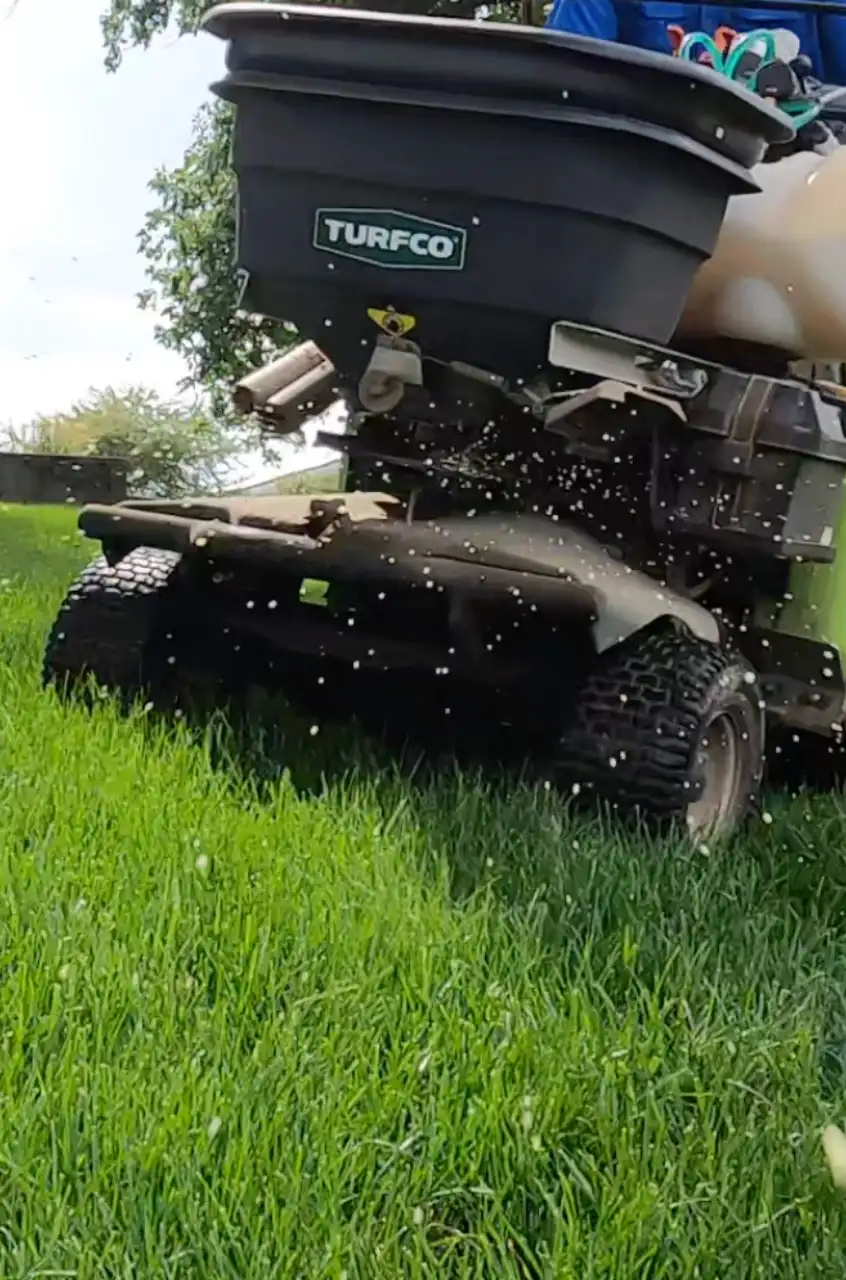
Watering in matters, because most pre-emergents need moisture to move into the top layer of soil where the barrier forms. Product sitting dry on the surface for a week is not protecting anything.
Coverage has to be even. Gaps are not partially protected, they are unprotected, and a skipped strip along a fence line shows up in March as a stripe of henbit.
Do not disturb the surface afterward. If your lawn needs aeration, that goes first and the pre-emergent follows, not the other way round. And do not forget beds, since winter weeds germinate just as happily in mulch as in turf.
What Missing the Window Costs
We can absolutely help in February when the henbit has arrived. The conversation is just worse, and we would rather you hear it now than then.
Post emergent control means treating plants that are already growing, so you get dead and dying weeds sitting in the lawn for a couple of weeks while they break down. It often takes more than one application, and it costs more than prevention would have.
Worse, because those weeds had months to grow, many have already dropped seed by the time they are treated. Poa annua in particular is prolific, and one tolerated season loads the soil for several more.
That is the compounding part. Prevention is not simply cheaper this season, it is cheaper every season after. Most properties we work with see a noticeable drop in winter weed pressure after two consecutive years of well timed fall applications, and a substantial one after three, as the seed bank in the soil depletes.
The reverse compounds too. Three years of skipping fall means three years of seed added to the soil, and the lawn that results takes considerably longer to bring back.
What to Do Next
Put a soil thermometer in your lawn and watch the trend. When two inch readings sit near 70 and are heading down, your window is open, and it stays open for a few weeks rather than a few days.
Decide now whether you are seeding anything this fall, because that changes the plan entirely.
If you would rather have someone watch the ground, choose the product, and handle the follow up, that is what our fall program does. TW Lawn Care serves Midlothian, Waxahachie, Cedar Hill, Mansfield, Red Oak, Ovilla, and Ellis County. Call 972-757-0926 or visit twlawncareservices.com.
Here is what to expect. We will look at your turf type and condition, ask whether you plan to seed, and give you a timing window rather than a fixed date. You will hear from us when the soil says it is time, and next March you will know why your yard did not go purple.