Lawn Care
Getting a North Texas Lawn Ready for Winter
TW Lawn Care • September 2026 • Midlothian, TX • 8 min read
Short Answer: A Bermuda lawn heading toward dormancy needs support rather than growth. That means easing off nitrogen and shifting the emphasis to potassium, which builds root strength and cold hardiness, and stopping meaningful nitrogen roughly six weeks before the first expected freeze. Reduce irrigation frequency rather than run time, and move watering to early morning. Do not scalp the lawn going into winter, since extra leaf height insulates the crowns. And use the workable weather now for the jobs that are miserable in January.
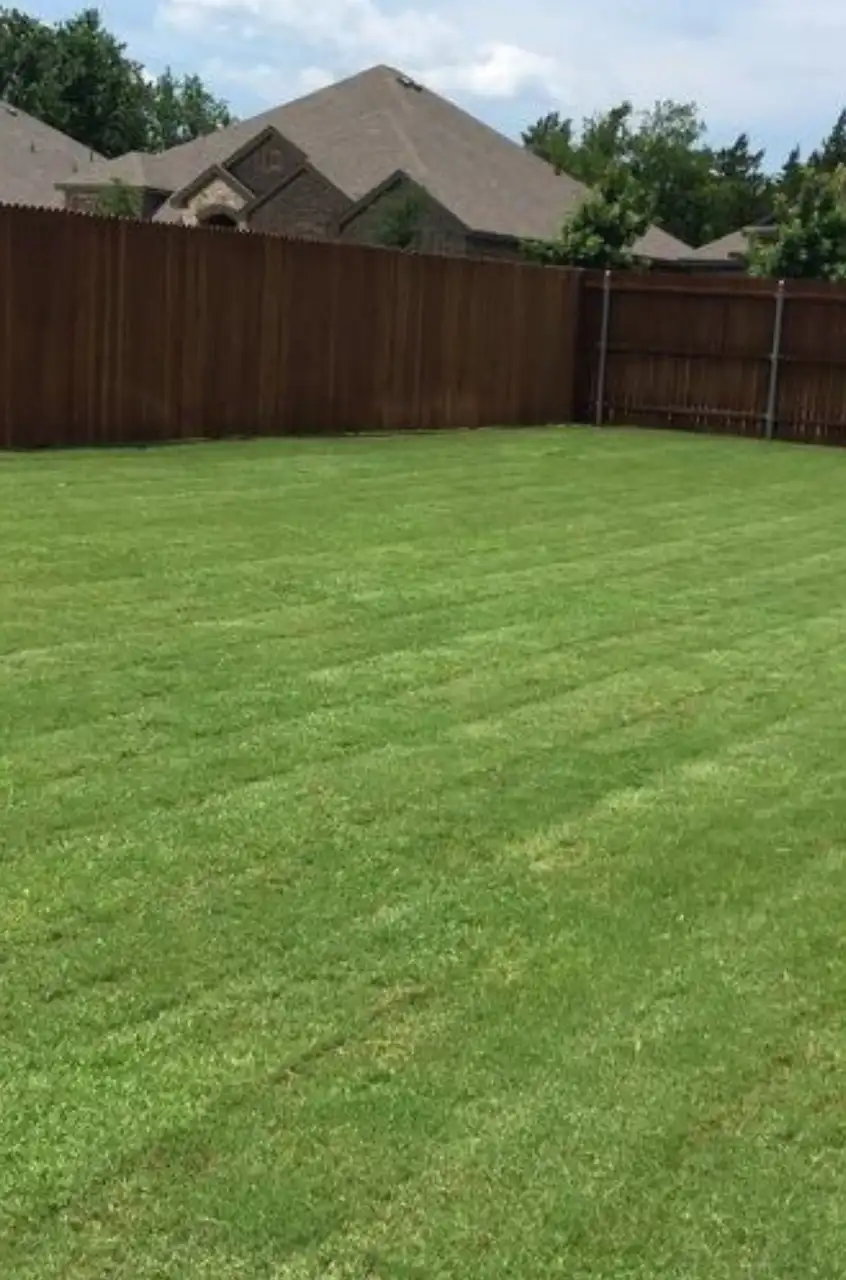
Autumn in North Texas is a genuinely pleasant stretch, and it is also the point where most homeowners stop thinking about the lawn until spring. What happens in the next six or eight weeks decides how the yard comes out of dormancy in April.
Most of it is straightforward. Some of it is the opposite of what people instinctively do.
Feed the Roots, Not the Blades
This is where good intentions cause the most harm.
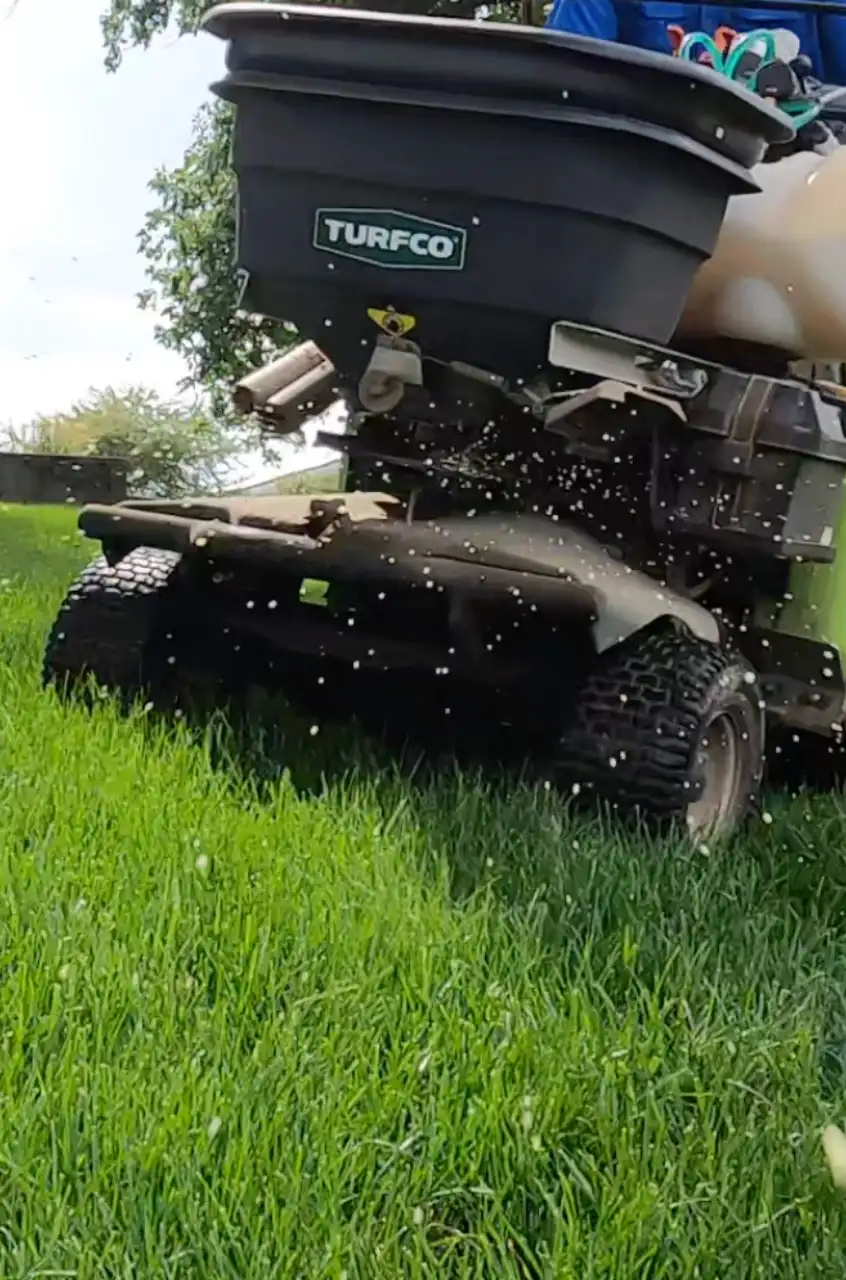
Bermuda is a warm season grass heading into dormancy. It is not trying to produce new top growth, and pushing it to do so works against the plant. A heavy nitrogen application in October produces soft, lush growth that is more vulnerable to the first freeze and more susceptible to disease.
What the plant is actually doing is moving energy into roots, stolons, and rhizomes for winter storage. Feeding should support that, which means moderate rates and an emphasis on potassium rather than nitrogen. Potassium is associated with root development, cell wall strength, drought tolerance, and cold hardiness, and it is what carries the lawn through dormancy into a strong spring.
The general rule for our area is to stop meaningful nitrogen roughly six weeks before the first expected freeze. In Ellis County that usually means the nitrogen conversation is finished by late October.
Change Irrigation Frequency, Not Run Time
A lawn in November needs substantially less water than the same lawn in July, because shorter days, cooler air, and lower evaporation cut demand roughly in half.
Most controllers around Midlothian never get changed, which wastes water, raises bills, and keeps the root zone wetter than it should be as disease pressure rises.
The instinct when reducing is to shorten each cycle. That trains the lawn badly, because short cycles wet only the top inch and encourage shallow rooting. Better to keep run times roughly as they are so each watering soaks properly, and reduce how often you water.
Move the start time to early morning as well. Grass that stays wet through a cool autumn night is grass hosting fungus, and shifting the clock costs nothing.
Do not switch the system off entirely. Dormant Bermuda still has a living root system, and a deep watering every few weeks through a dry winter keeps it viable.
Do Not Scalp It
Cutting a lawn short before winter feels tidy and is a mistake.
Leaving a bit more leaf height going into dormancy provides insulation for the crowns, which are the living part of the plant that has to survive until spring. It also gives the plant more surface to photosynthesize with during the warm spells we reliably get in December and January.
Keep mowing as long as the grass is growing, take no more than a third at a time, and keep the blade sharp. Torn leaf tissue is an entry point for exactly the fungal problems autumn brings.
Scalping has a place on Bermuda, but it is a late winter or early spring job done to clear dead material before green up, not an autumn one.
Keep Leaves Off the Turf
A layer of wet leaves sitting on dormant grass holds moisture against the surface and creates ideal disease conditions in an area you then cannot see.
It also smothers. Grass under a mat of leaves for several weeks comes out thinner than grass beside it, and on a lawn that is already dormant and unable to repair itself, that damage sits there until spring.
Mulching leaves with the mower is fine when the volume is light, and it returns organic matter to the soil. When the volume is heavy, they need removing rather than shredding into a thicker layer.
The Jobs Worth Doing Now
Autumn weather in North Texas is the best working weather of the year, and several jobs are far easier now than they will be later.
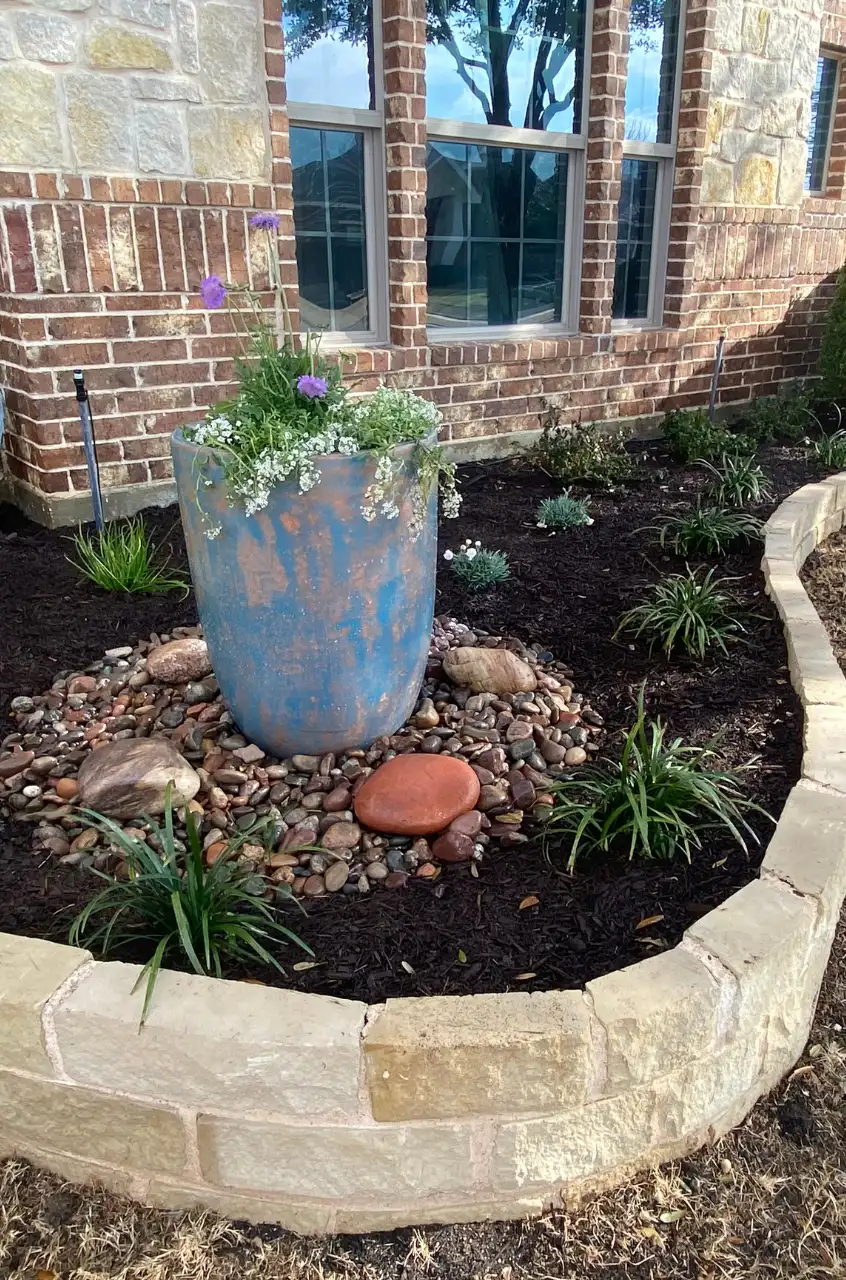
Bed maintenance is the clearest one. Weeding, edging, and refreshing mulch is pleasant work at seventy degrees and miserable at ninety five. Mulch also insulates roots through the cold snaps we get.
Tree and shrub pruning of dead or damaged material is sensible now, though heavy structural pruning is generally better left until true dormancy.
Drainage is worth looking at while autumn rain shows you where water actually goes. A low spot that holds water is a dead patch waiting to happen, and fixing grade is far easier before the ground is cold and saturated.
And if you have irrigation, this is the moment to run every zone in daylight and watch it. Blocked heads, misaligned spray, and leaks are all easier to spot and fix now.
Watch for Disease as Nights Cool
Autumn in North Texas brings the specific conditions fungal disease wants, and it catches people who assume disease is a summer problem.
Brown patch becomes active as nighttime temperatures drop into the 60s while humidity stays up and leaf surfaces remain wet for long stretches. On St. Augustine, which plenty of Ellis County properties have in shaded areas, it produces roughly circular patches, often with a darker smoky edge, and individual blades show tan lesions with dark borders.
The diagnostic that separates it from other problems is the pull test. Diseased turf stays firmly anchored because the roots are intact, while grub damaged turf lifts away like loose carpet.
The most effective response costs nothing: water in the early morning rather than the evening, so leaves dry quickly. Beyond that, avoid nitrogen during an active outbreak, because soft lush growth is exactly what the fungus prefers. Feeding a lawn that has brown patch makes it worse, reliably.
Keep the mower blade sharp too. Torn leaf tissue is an entry point, and that matters more during an outbreak than at any other time of year.
What Dormancy Should Look Like
Worth setting the expectation, because we get calls about this every year.
Your Bermuda will turn tan, usually beginning after the first meaningful cold snap and completing through November. That is normal and healthy. It will stay tan until soil warms in spring, and green up here is often well into April and frequently uneven at first.
A lawn still tan in early April is not late. That is our normal, and homeowners who panic in March and start applying things generally cause more harm than the dormancy ever would.
What is not normal is a distinct patch with a clear edge, or an area that browned out in a week during warm weather. Uniform tan across the whole lawn is dormancy; a three foot circle in an otherwise green lawn is something else.
Protecting Beds and Young Plants
The lawn gets most of the attention, and the plants around it are what actually suffer in a North Texas cold snap.
Our winters are mild on average and punctuated by sharp events, and it is the sharp events that do damage. A stretch of warm December weather followed by a hard freeze is harder on plants than a steadily cold winter, because growth that softened during the warm spell has no protection.
Mulch is the practical answer for beds. Two to three inches spread over root zones moderates soil temperature and holds moisture, and it should be spread broadly rather than piled against stems, where it holds damp against bark and invites rot.
Water before a hard freeze rather than after. Plants going into a freeze already short of water have no buffer, and evergreens in particular keep losing moisture through their foliage all winter while frozen ground limits what the roots can replace.
Anything planted this year deserves extra attention, since a first winter is the most vulnerable one. Newly established trees and shrubs have small root systems and benefit from both mulch and a deep watering ahead of any significant cold.
What to Do Next
Go to your irrigation controller this week and reduce frequency by one day, and move the start time to early morning if it is not already there.
Plan your last meaningful nitrogen application for well before the freeze window, and raise the mower rather than lowering it.
Then use the good weather for beds, drainage, and anything else that will be unpleasant in January.
If you would rather have someone handle the fall program and the timing, TW Lawn Care serves Midlothian, Waxahachie, Cedar Hill, Mansfield, Red Oak, Ovilla, and Ellis County. Call 972-757-0926 or visit twlawncareservices.com.
Here is what to expect. We will adjust the feeding to what the season actually calls for rather than applying the same thing year round, tell you plainly when your lawn is simply dormant rather than damaged, and point out the drainage or irrigation issues that are cheaper to fix now than in spring.